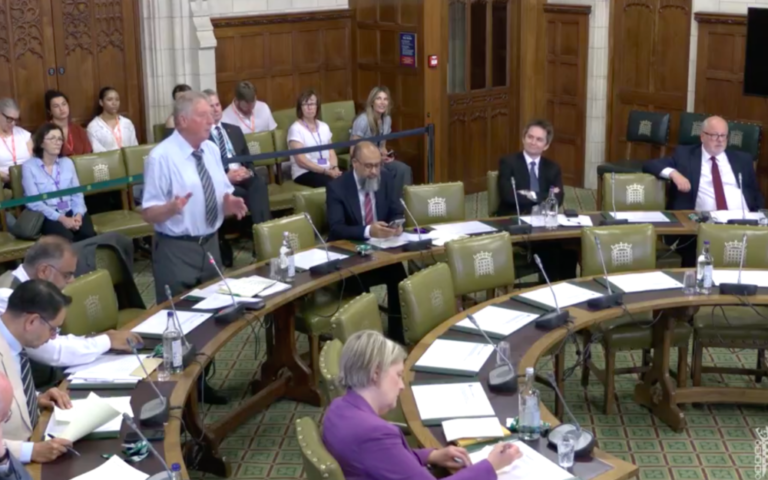
The National Jewish Assembly recognises and respects Parliament’s petitions process, which allows members of the public to bring issues of national concern before elected representatives.
The petition, which attracted more than 118,000 signatures before being debated in Parliament, called for a public inquiry into alleged pro-Israel influence on British politics and democracy.
Parliament did not choose this subject for debate. Under its own petitions rules, it was duty bound to consider the petition once it surpassed the required threshold. The NJA fully respects that democratic process and does not criticise Parliament for debating this petition.
However, if scrutiny is to be applied to lobbying, political donations, transparency or foreign influence, it must be applied equally. The world’s only Jewish state, and those who support it, must not be singled out for a level of suspicion not routinely applied to any other nation or political cause.
We therefore welcome the fact that, throughout the debate, MPs from across the House challenged the petition’s selective framing and warned of the dangers of echoing longstanding antisemitic conspiracy theories.
Conservative MP John Lamont, who opened the debate on behalf of the Petitions Committee, made clear that he did not endorse the petition’s premise and questioned why Israel had been singled out. Former Foreign Secretary Sir Andrew Mitchell warned that the debate risked becoming a regurgitation of antisemitic tropes.
Other Members from Labour and the Liberal Democrats similarly warned against singling out Israel or allowing legitimate concerns about lobbying and transparency to become a vehicle for antisemitic conspiracy theories. The Government itself rejected the petition’s premise and made clear that it does not support a public inquiry solely into so called pro-Israel influence.
For centuries, Jews have been accused of exercising hidden power or dual loyalty. The language changes, but the accusation remains remarkably familiar. Today, such conspiracies are often repackaged around Zionists, Jewish organisations or supporters of Israel.
This is not about shielding Israel from criticism. Robust scrutiny of governments and public policy is a normal and healthy feature of democratic life.
It is about rejecting the notion that support for Israel should be treated differently from support for any other democratic ally, or that Jewish individuals and organisations should have their motives questioned because of their views or affiliations.
At a time when British Jews face record levels of antisemitism and increasing insecurity, public debate must remain alert to the ways in which old prejudices can re emerge in new forms.
This is ultimately a defence of democratic debate, equal treatment and the right of British Jews, and indeed all British citizens, to participate openly and lawfully in public life without having their motives questioned or their loyalties impugned.
The Hansard transcript of the debate can be viewed online by clicking here.